Melbourne & Victoria
Workplace safety obligations checklist for Melbourne facility managers: October guide

What workplace safety obligations should a Melbourne facility manager review each month? Start with changes to the site, concerns raised by workers, unresolved hazards and the testing or maintenance tasks coming due. The useful outcome is a clear list of actions, named owners and evidence of follow-up—not simply another completed checklist.
This October guide focuses on the electrical and building-safety records that facility, operations and property managers can bring into their wider safety review. A monthly review is a suggested management routine if it suits your site and risks. It is not a universal legal requirement to test equipment monthly, and it does not replace inspections, servicing or reporting required by your site's applicable schedule.
What are an employer's workplace safety obligations in Victoria?
Victoria uses the Occupational Health and Safety Act 2004 framework. Employers must, so far as is reasonably practicable, provide and maintain a working environment that is safe and without risks to health. People who manage or control workplaces also have duties concerning workplace conditions and risks. Many businesses use the term WHS, but Victorian legal guidance is generally described as OHS.
A testing contractor supports particular parts of your safety program; it does not take over every duty or certify that the whole workplace is safe. Keep responsibilities clear between your employer, building owner, property manager and contractors. Refer to WorkSafe Victoria's legal-duty guidance for your circumstances rather than treating this article as legal advice.
Monthly workplace safety review: what has changed at your site?
Review changes since the previous check before looking only at test dates. New equipment, a relocated workstation, changed access routes or contractor work can affect the controls your workplace relies on. A CBD office and a warehouse in South East Melbourne may need very different actions even when both use the same review sheet.
- Identify new or relocated equipment and update its location in the asset register.
- Check for reported damage to leads, plugs or equipment and follow the site's safe isolation and escalation procedure.
- Review access routes, visible obstructions and housekeeping concerns with the responsible site team.
- Record changes to operating hours, tenancy arrangements or access that could affect a planned testing visit.
How should managers consult workers about safety concerns?
Employers must consult employees about health and safety matters that directly affect, or are likely to directly affect, them. Where there is a health and safety representative, consultation must involve that representative. Do not rely solely on a contractor's report: workers may know about intermittent faults, awkward access or changes in how equipment is used.
Use your review to collect concerns and discuss proposed changes with affected people. Record the issue, the agreed action and how the outcome will be communicated. A monthly meeting is not a substitute for consultation when a relevant matter arises between reviews.
What electrical safety testing records should a Melbourne workplace keep?
WorkSafe's electrical safety guidance describes safe-work systems covering inspection, testing and maintenance of equipment and installations under the employer's management and control. In a records review, compare your equipment list with recent reports and identify missing results, unresolved defects or upcoming work. Keep portable appliance testing separate from RCD testing: they check different parts of the safety system.
Do not assume that every office appliance, warehouse tool or safety switch follows one testing interval. Applicable requirements, the equipment, device type and workplace risks determine the program. Ask your provider to explain the testing scope and relevant standards before booking; a monthly paperwork review does not change those intervals.
- Match reports to the correct site, asset or circuit and test date.
- Check whether failed items have an assigned follow-up action, rather than assuming testing repaired them.
- Confirm due dates and book access for work approaching its scheduled date.
- Identify critical circuits and equipment before any RCD-related power interruption.
Who is responsible for emergency lighting maintenance in a leased building?
Victorian building-owner responsibilities include maintaining applicable essential safety measures. The maintenance requirements depend on the building, measure and relevant maintenance documentation. Emergency and exit lighting records belong in that building-maintenance program, not merely in the tenant's portable equipment register.
For a leased workplace, confirm who arranges access, receives reports and follows up failed fittings. Check the building's maintenance schedule and relevant documentation rather than inventing a monthly, annual or identical interval for every measure. Reviewing the status this month does not mean every system must be serviced this month, and an annual report is not the same thing as an annual servicing interval.
How to close outstanding workplace safety actions
Create one action list that your facility team can read alongside the test reports. For each issue record the location, risk or defect, responsible person, agreed due date, interim controls and evidence needed to close it. Do not mark an item complete only because a quote has been requested or a contractor visit booked.
Escalate urgent concerns through your site's safety procedures rather than waiting for the next review. Electrical repair, replacement or installation work must be handled by appropriately qualified personnel. Keep the testing result distinct from any subsequent rectification record so the next reviewer can see what actually happened.
What to send when requesting a workplace testing quote
Send your Melbourne suburb, site type, approximate quantities, existing reports and access constraints. Tell the team whether you need portable equipment testing, RCD safety switch testing, emergency and exit light testing or support with asset records. Include known faults and critical operations so the scope and timing can be discussed before work is arranged.
A Plus Compliance Services supplies digital reports, asset records, failed-item details where applicable and due-date reminders for the agreed testing scope. These records support your wider OHS and building-maintenance program; they do not replace a site-specific risk assessment. Use the service links below or speak with our compliance team to plan the next step.
Sources and further guidance
Get an estimate for your Melbourne & Victoria site
Tick the services you need, enter approximate quantities and we will email an indicative estimate. A written quote follows before any work is booked. Prices exclude GST.
FAQs
Melbourne & Victoria compliance questions
Related services
Services covered in this guide
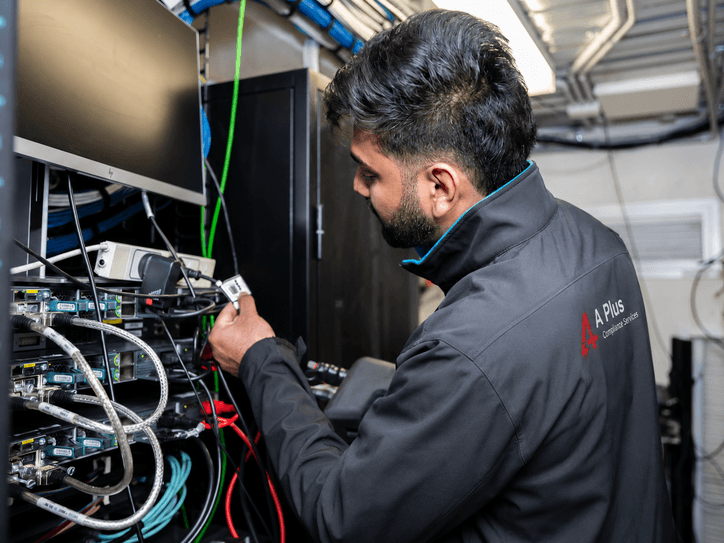
Electrical Test & Tag
Routine inspection, testing, tagging, reporting and asset records for workplace electrical equipment.
View service details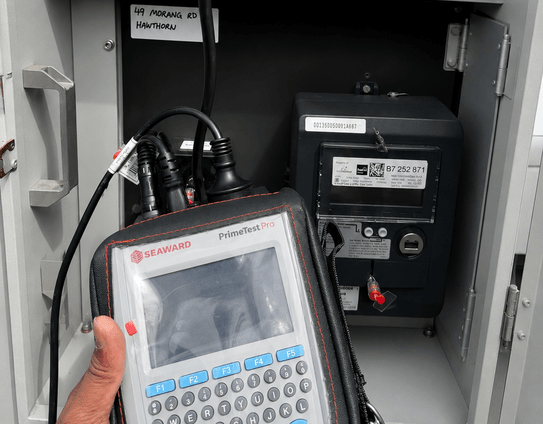
RCD Testing
Push-button and trip-time testing support for commercial, industrial, construction and workplace environments.
View service details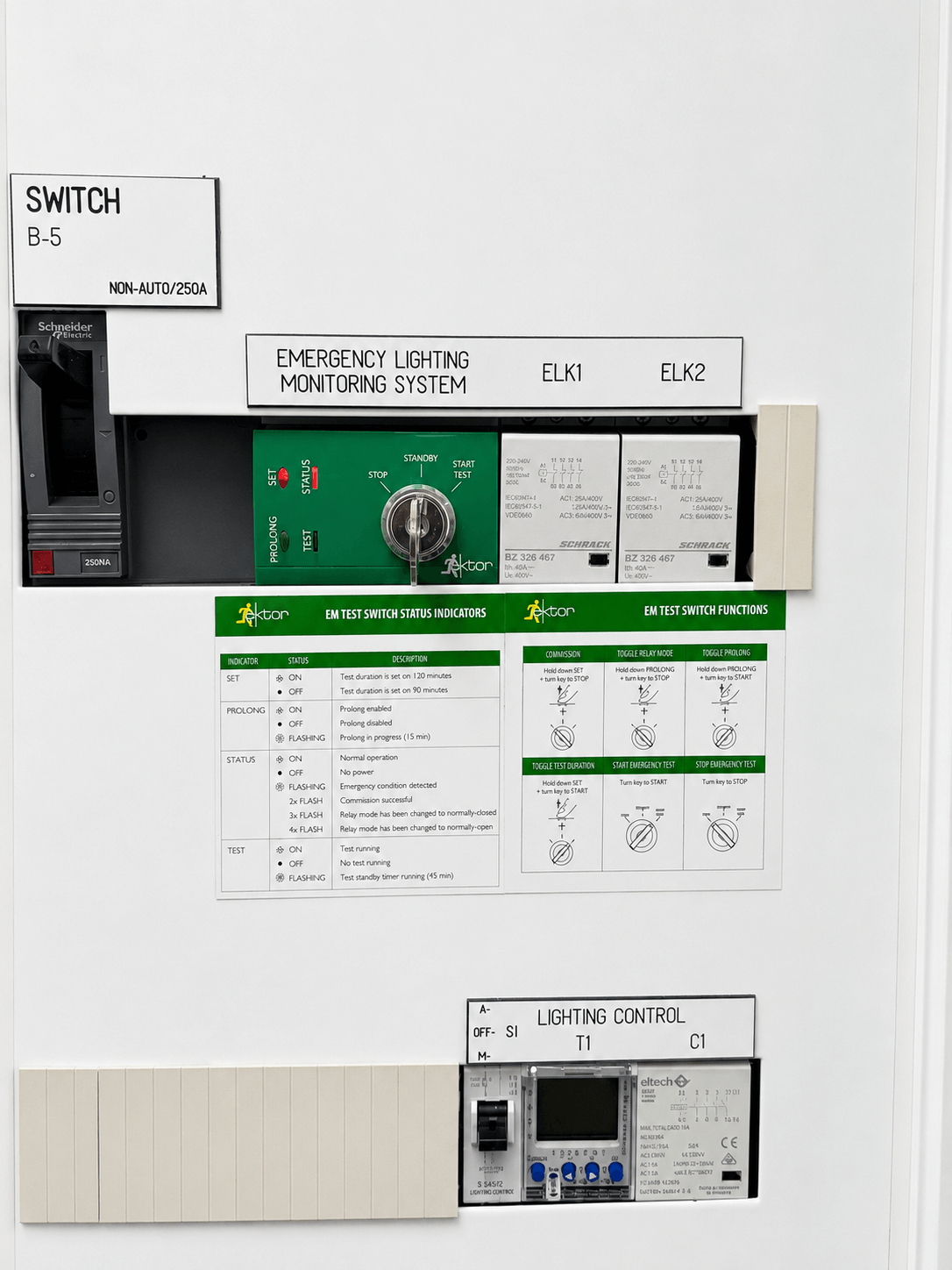
Emergency & Exit Light Testing
Routine testing and reporting for emergency and exit lighting systems to support building safety and ESM maintenance obligations.
View service detailsCompliance Reporting & Asset Registers
Clear digital records, failed-item summaries, site-based reporting and due-date reminders.
View service detailsArrange Melbourne emergency lighting and RCD testing
Coordinate emergency and exit light testing with RCD safety switch testing, digital records and due-date reminders.
See all Melbourne service areas, check AS/NZS 3760 testing frequencies or browse more local compliance guides.
Speak With Our Compliance Team
Tell us your site, service required and approximate scope. We will respond with clear next steps during business hours.