Victoria
AS/NZS standards explained: a guide for facility and WHS managers

Facility, WHS and operations managers are often asked to show that equipment is being maintained to the relevant Australian Standard. The difficulty is that several standards apply to different equipment, and each sets its own testing intervals and record expectations.
This guide summarises the standards most commonly referenced for workplace electrical and safety equipment, so you can match each asset type to the right obligation and ask your contractor the right questions.
AS/NZS 3760 — in-service safety inspection and testing
AS/NZS 3760 is the standard behind portable appliance testing, commonly called test and tag. It covers the inspection and testing of plug-in electrical equipment and portable RCDs, and sets suggested intervals based on the operating environment — from three months for construction and demolition through to five years for some low-risk environments.
It also describes what a test record should contain and how tested items are tagged. Our testing frequency tool on the resources pages lists the common intervals by environment.
AS/NZS 3551 and AS/NZS 3003 — healthcare and patient areas
AS/NZS 3551 deals with the management of medical equipment, including biomedical testing programs. AS/NZS 3003 covers electrical installations in patient areas, such as cardiac-protected and body-protected areas. Clinics, aged care and allied health sites usually need both considered alongside AS/NZS 3760 for non-medical equipment.
AS/NZS 2293 — emergency and exit lighting
AS/NZS 2293 sets out the inspection and testing of emergency evacuation lighting. Six-monthly discharge testing and an annual test, with results recorded in a logbook or digital report, are the routine checks most buildings carry out.
AS 1851 — fire protection equipment
AS 1851 covers routine service of fire protection systems and equipment, including portable extinguishers, fire blankets and hose reels. Six-monthly inspection is the typical cycle for portable equipment, with further servicing at longer intervals.
What to keep on file
- A current asset register listing each item, location and test result
- Test reports showing the date, standard referenced and the technician
- A failed-item register with what was removed, repaired or replaced
- Next due dates and a reminder process so cycles do not lapse
Get an estimate for your Victoria site
Tick the services you need, enter approximate quantities and we will email an indicative estimate. A written quote follows before any work is booked. Prices exclude GST.
FAQs
Victoria compliance questions
Related services
Services covered in this guide
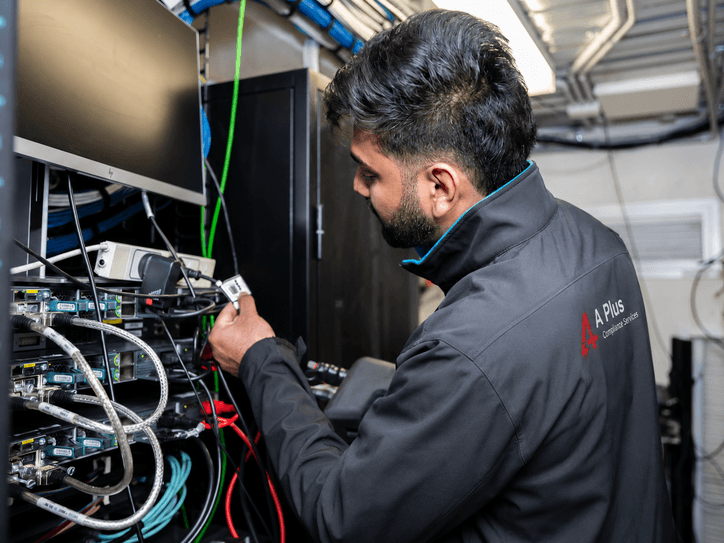
Electrical Test & Tag
Routine inspection, testing, tagging, reporting and asset records for workplace electrical equipment.
View service details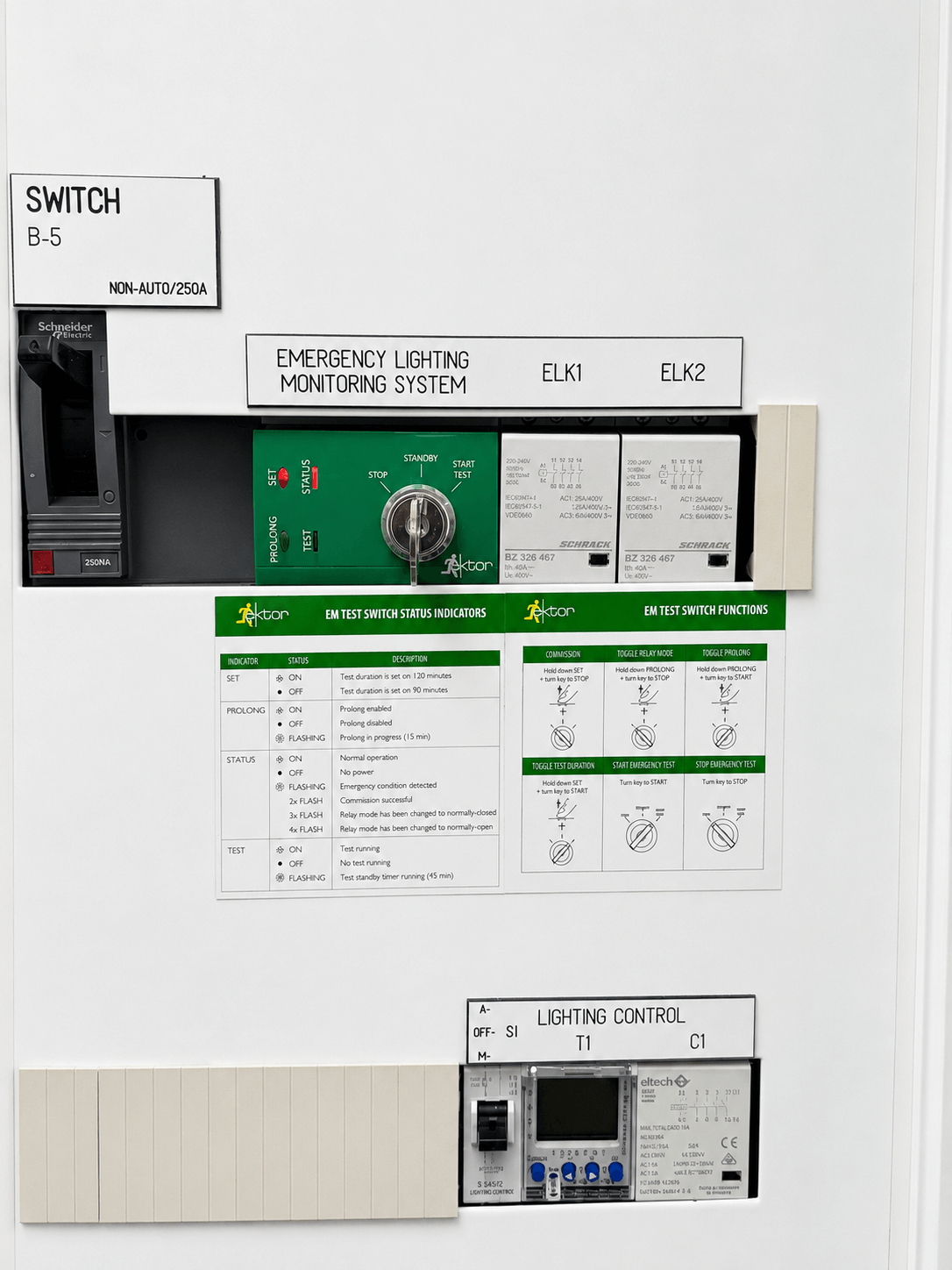
Emergency & Exit Light Testing
Routine testing and reporting for emergency and exit lighting systems to support building safety and ESM maintenance obligations.
View service details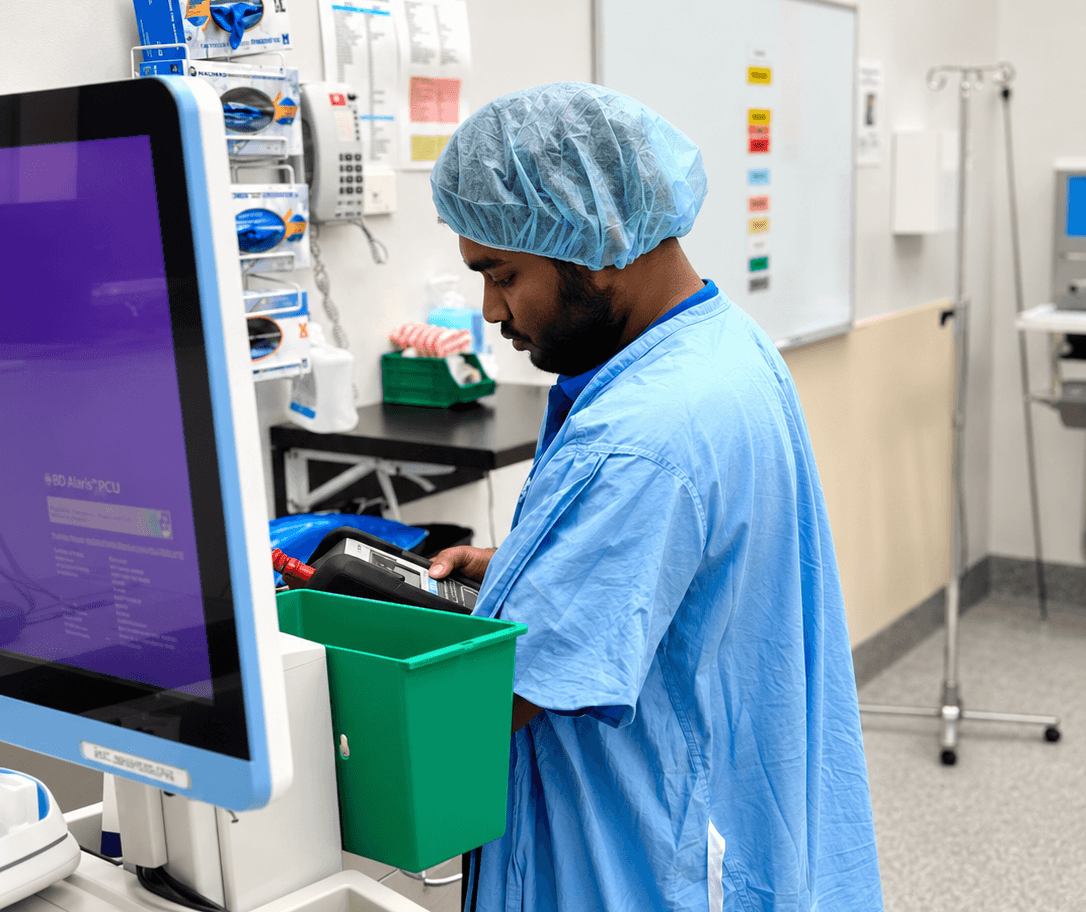
Biomedical Equipment Testing
Electrical safety testing and reporting support for medical equipment in healthcare and aged care environments.
View service detailsArrange Melbourne emergency lighting and RCD testing
Coordinate emergency and exit light testing with RCD safety switch testing, digital records and due-date reminders.
See all Melbourne service areas, check AS/NZS 3760 testing frequencies or browse more local compliance guides.
Speak With Our Compliance Team
Tell us your site, service required and approximate scope. We will respond with clear next steps during business hours.